Printed Book
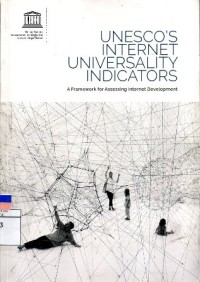
Unesco's Internet Universality Indicators : A Framework for Assessing Internet Development
UNESCO's Internet Universality indicators aim to assess levels of achievement, in individual countries, of the four fundamental ROAM principles included in the concept of 'Internet Universality' which supports an Internet that is based on human Rights (R), that is Open (O), Accessible to all (A) and nurtured by Multistakeholder participation (M).
The Internet Universality Indicators contain 303 indicators (including 109 core ones) developed under 6 categories, 25 themes, and 124 questions. On top of the ROAM categories, 79 cross-cutting Indicators (category X) have been developed concerning gender and the needs of children and young people, sustainable development, trust and security, and legal and ethical aspects of the Internet. In addition, the framework includes 21 contextual indicators concerned with the demographic, social, and economic characteristics of a country
In November 2018, the 31st session of UNESCO' Intergovernmental Council of the International Programme for the Development of Communication (IPDC) has endorsed the use of the Internet Universality Indicators on a voluntary basis and as a useful resource available for Member States. The Council encourages interested Member States and all stakeholders to conduct national assessments of Internet development and use the research findings for evidence-based policy discussions and recommendations.
Ketersediaan
| 11662c1 | R 384.33 SOU u C.01 | Perpustakaan Labschool Jakarta (Referensi) | Tersedia |
Informasi Detail
- Judul Seri
-
-
- No. Panggil
-
R 384.33 SOU u C.01
- Penerbit
- France : Unesco., 2019
- Deskripsi Fisik
-
198 hlm; 30 cm (Label Warna Biru dan Orange)
- Bahasa
-
Inggris
- ISBN/ISSN
-
9789231003141
- Klasifikasi
-
R 384.33
- Tipe Isi
-
-
- Tipe Media
-
-
- Tipe Pembawa
-
-
- Edisi
-
-
- Subjek
- Info Detail Spesifik
-
-
- Pernyataan Tanggungjawab
-
-
Versi lain/terkait
Tidak tersedia versi lain
Lampiran Berkas
Komentar
Anda harus masuk sebelum memberikan komentar
 Karya Umum
  Filsafat
  Agama
Agama  Ilmu-ilmu Sosial
  Bahasa
  Ilmu-ilmu Murni
  Ilmu-ilmu Terapan
  Kesenian, Hiburan, dan Olahraga
  Kesusastraan
  Geografi dan Sejarah